 Iran Energy News Oil, Gas, Petrochemical and Energy Field Specialized Channel
Related Articles


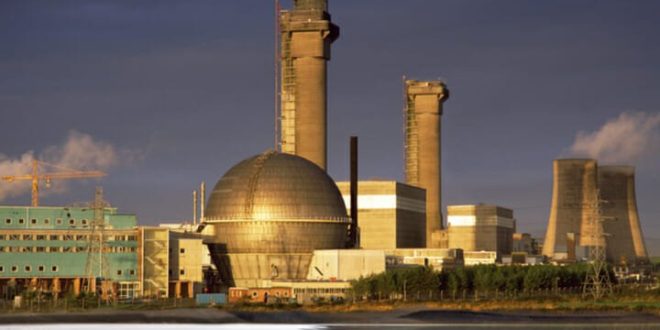
Microbial life has been discovered actively growing in Sellafield’s radioactive storage sites.
New research led by the University of Manchester has detected microbe colonies at the 50-year-old Sellafield site, posing a threat to the ongoing decommissioning process.
The discovery, made using advanced detection technologies, has overturned assumptions of radioactive ponds being inhabitable to ‘extremophile’ organisms.
Jonathan Lloyd, Professor at the University of Manchester, said: Our research focused on Sellafield’s First Generation Magnox Storage Pond, which is a legacy pond that has both significant levels of radioactivity in conjunction with a highly alkaline pH, equivalent to domestic bleach.
The researchers suggest the microbial colonies pose a threat of summer blooms that could reduce visibility, disrupt fuel retrieval and slow decommissioning.
However, recent research shows that regular doses of alkaline-infused water into the pond could help reduce further infestation.