 Iran Energy News Oil, Gas, Petrochemical and Energy Field Specialized Channel
Related Articles

Several United States environmental policies may be weakened or removed following a week of announcements by various agencies with plans to introduce major changes. This could mark the largest rollback of environmental protections under any administration.
In November, the U.S. Environmental Protection Agency (EPA) proposed to remove federal protections from millions of acres of wetlands and streams, thereby reducing the power of the 1972 Clean Water Act. The EPA said it planned to more narrowly define “waters of the United States” to exclude many wetlands and streams, which is expected to take away federal protections from up to 55 million acres of wetlands, or about 85 percent of all wetlands nationwide, according to the environmental group the Natural Resources Defence Council.
Just two days later, federal wildlife agencies announced changes to the Endangered Species Act, which may make it more difficult to rescue endangered species from the brink of extinction. The move would permit the government to assess economic factors, such as the loss of revenues by not exploiting the land in question, before deciding whether to list a species as endangered, rather than assessing the region based on purely scientific evidence.
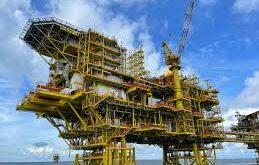
Another day later, the Interior Department announced plans to allow for new oil and gas drilling across almost 1.3 billion acres of U.S. coastal waters, with as many as 34 lease sales in federal waters. The agency is exploring the potential for holding lease sales in California, the Gulf of Mexico, and the Arctic waters of Alaska.
Pat Parenteau, a professor of climate policy at Vermont Law and Graduate School, said, “This was the week from hell for environmental policy in the United States… Unless stopped by the courts, each of these proposed rollbacks will do irreparable harm to the nation’s water quality, endangered species and marine ecosystems.”
Ironically, the move to dismantle some of the strongest environmental protections in the United States took place as many world leaders were attending the COP30 climate summit in Brazil. President Trump did not attend COP30, making it the first time in the summit’s 30-year history that the United States was not present.
White House representatives said that the moves supported Trump’s American energy dominance agenda, which he has been pushing for several months. In recent months, Trump has signed a flurry of executive orders taking target at the growing green energy sector, and instead favouring the expansion of U.S. fossil fuels.
This has been met with mounting criticism from environmental groups who claim that Trump is not fulfilling his legal obligations by scrapping several major environmental policies. However, several industries support the latest move, including farming groups, oil drillers, chemical manufacturers, home builders, and real estate developers. Nevertheless, finalising the three proposals could take up to two years, during which time the government may have to endure lengthy legal battles over the proposals.
Many Americans are in favour of the environmental protections currently in place. Approximately four out of five Americans surveyed supported the Endangered Species Act, according to the International Fund for Animal Welfare. Meanwhile, 81 percent of Americans who were polled said they were concerned about the environment, including the welfare of animals and nature.
Kristen Boyles, an attorney with environmental law group Earthjustice, said in a statement, “Trump’s attacks on the Endangered Species Act seriously misread the room. Most people are not going to allow the sacrifice of our natural world to a bunch of billionaires and corporate interests.”
However, the EPA administrator Lee Zeldin said that he aims to establish regulations that would be “durable and withstand future swings of presidential elections to come.” He said he expected significant environmental rollbacks to be taken in 2025. “We will do more deregulation in one year than entire federal governments in the past have done across all federal agencies combined,” said Zeldin.
In addition to the recent attacks on environmental protections, the Trump administration is making several changes to the Department of Energy (DoE), seemingly aimed at weakening the agency’s research and support for green energy and cleantech initiatives.
The DoE posted a revised organisational chart this month, which no longer shows the Office of Clean Energy Demonstrations, the Office of Manufacturing and Energy Supply Chains, or the Grid Deployment Office, which have previously provided financial support for clean energy sectors. This follows moves by Trump earlier in the year to cut Biden-era funding destined for decarbonisation projects.
The efforts by the Trump administration to rein in clean energy spending and reduce environmental protections double down on President Trump’s goal to roll back the aims outlined in Biden’s climate policies, in favour of the expansion of U.S. fossil fuels. However, we will likely see pushback from environmental organisations and communities across the country who oppose these moves.