 Iran Energy News Oil, Gas, Petrochemical and Energy Field Specialized Channel
Related Articles


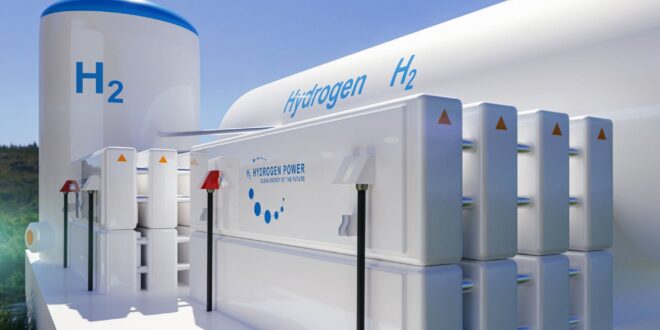
The hydrogen fuel cell market is on the verge of a major inflection point, projected to nearly double in value over the next six years as global powers scramble to hit critical net-zero emission targets. The technology, which provides emissions-free electricity for everything from heavy-duty trucks to corporate data centers, is now being hailed as indispensable to the global energy transition.
A recent market analysis from DataM Intelligence forecasts the global market, valued at $3.64 billion in 2024, will expand significantly to reach an estimated $5.9 billion by 2030. This growth represents an 8.3% compound annual growth rate (CAGR) for the 2024–2031 period. The core drivers behind this accelerated trajectory are not just technological gains, but the convergence of multi-billion-dollar government subsidy programs, the essential scaling of hydrogen infrastructure, and the specific mandates to decarbonize high-emissions industries.
Public Funding Anchors Market Growth
The robust market expansion is highly dependent on strategic, coordinated public investment across the world’s major economies. Nations including the United States, Japan, South Korea, the European Union, and China have collectively committed over $200 billion toward comprehensive national hydrogen strategies, earmarking significant resources for fuel cell deployment and infrastructure development.
The United States represented the largest share of the global market in 2024, accounting for 36% of global revenues. This domestic growth is being fueled by federal policy, notably the Infrastructure Law, which has dedicated over eight billion dollars to funding regional hydrogen production and distribution hubs. Analysts project the U.S. market will surpass $2.3 billion by 2030, contingent on continued industrial adoption and the successful rollout of refueling stations.
Across the Pacific, Japan remains a highly mature market, contributing 11% of global revenue in 2024. The country’s commitment is evidenced by the deployment of over 430,000 residential fuel cells and an extensive network of more than 165 hydrogen stations, one of the highest per capita figures globally, according to the report. These strategic national efforts aim to establish hydrogen as a key component of future energy security.
Transportation and Stationary Power Lead Application Segments
The transportation sector dominates market demand, contributing 46% of the 2024 market value. This segment is characterized by the increasing adoption of fuel-cell electric vehicles (FCEVs), particularly for high-utilization applications such as buses, long-haul trucks, and material handling equipment. Data indicates that the U.S. now utilizes over 50,000 fuel-cell-powered forklifts, with heavy-duty truck pilot programs seeing a 120% increase in activity between 2022 and 2024.
Technology-wise, Proton Exchange Membrane Fuel Cells (PEMFCs) remain the most widely adopted type, claiming 52% ($1.89 billion) of the market due to their suitability for automotive applications requiring high power density and fast start-up times.
The stationary application segment is the second largest, responsible for 40% ($1.46 billion) of the market. This area is seeing heightened demand from data centers, hospitals, and industrial facilities seeking resilient, low-carbon, grid-independent power sources. Solid Oxide Fuel Cells (SOFCs), which currently hold 24% of the technology market, are projected to become the standard for clean industrial heat and baseload power systems within the next decade.
Green Hydrogen Cost Reductions to Accelerate Commercial Viability
While challenges such as high initial infrastructure costs and the need for greater hydrogen availability persist, the industry is focused on overcoming these hurdles to achieve mass commercialization. Analyst forecasts suggest that the cost of green hydrogen is expected to fall by 40% to 60% by 2030, a development that would substantially enhance the economic competitiveness of fuel cell systems across all application sectors.
Companies like Ballard Power Systems, Bloom Energy, and Plug Power Inc. are actively accelerating research and development to improve component durability and drive down manufacturing costs. The global network of hydrogen refueling stations is set to surpass 15,000 by 2030, a clear indicator of the infrastructure scaling necessary to support broader adoption. This combined industry effort, supported by governmental investment, is setting the stage for hydrogen fuel cells to become an established, large-scale component of the global energy mix.