 Iran Energy News Oil, Gas, Petrochemical and Energy Field Specialized Channel
Related Articles


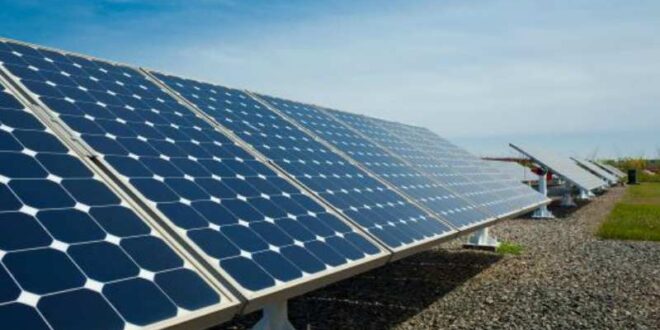
India’s solar sector has hit that awkward stage of adolescence where ambition seems to be outpacing demand. And now the adults in the room are issuing critical warnings.
A new letter from the clean-energy ministry, quietly circulated to the finance ministry, urges lenders to think twice before showering cash on yet another wave of standalone module factories. When a government that spent the last three years cheerleading capacity expansion suddenly says “maybe don’t,” you can assume the oversupply problem is no longer a theory.
The timing isn’t great for India’s manufacturers. They bulked up with a clear target in mind: the U.S. market. But U.S. tariff walls went up, as did customs scrutiny over Chinese components. This has turned Indian shipments into a slow-moving regulatory piñata. Exports faded. Domestic installations couldn’t pick up the slack. And now the ministry is speaking the painful truth that module capacity could climb to 200 GW in the next few years, and cell capacity could climb to 100 GW.
Local demand won’t come close to that.
The subtext here is political as much as economic. India’s decade-long quest to peel itself away from Chinese supply chains has produced a patchwork of incentives, protectionist barriers, and bold proclamations about “solar self-reliance.” But you can only sustain that narrative if the factories you’ve coaxed into existence have somewhere to sell. Right now, many don’t.
The ministry’s preferred solution is to nudge lenders toward funding fully integrated facilities — the kind that run from polysilicon to finished panels. That would, at least in theory, give India a more defensible position in the global supply chain. But integrated plants require heavy capex, deep technical expertise, and long-term policy stability. India has not always provided the latter.
The smarter read is this: India isn’t abandoning its solar manufacturing push. It’s trying to avoid a bloodbath. A gentle warning today is cheaper than a mass insolvency cleanup tomorrow. Whether India’s fragmented solar industry takes the hint is another matter entirely.