 Iran Energy News Oil, Gas, Petrochemical and Energy Field Specialized Channel
Related Articles

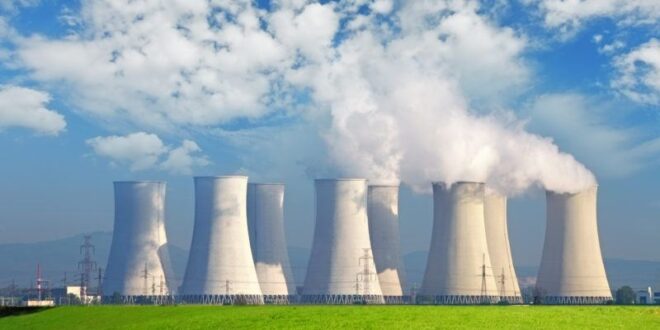
As a part of the United States’ push to revitalize its aging nuclear energy sector, the Department of Energy is funding a wave of research into recycling used nuclear fuel. This move comes as a part of a broader effort to increase the United States’ energy independence by reducing reliance on global energy value chains. At present, Russia and China dominate supply chains for refined nuclear fuel.
“Used nuclear fuel is an incredible untapped resource in the United States,” Assistant Secretary for Nuclear Energy Ted Garrish was recently quoted by World Nuclear News. “The Trump Administration is taking a common-sense approach to making sure we’re using our resources in the most efficient ways possible to secure American energy independence and fuel our economic growth.” Bringing new life to used fuel stocks would also yield benefits for sustainability and reduce the burden of storing and managing radioactive spent fuel.
The United States Department of Energy’s Office of Nuclear Energy has recently awarded nearly $20 million to five domestic firms to research how to recycle and extract more energy from spent nuclear fuel. The government contends that there is massive potential within this sector, stating that “less than 5% of the potential energy in the USA’s nuclear fuel is extracted after five years of operation in a commercial reactor.” Resource utilization could therefore be boosted by 95%, closing a costly and wasteful loop.
While the idea of recycling nuclear fuel is not new, the technologies are currently advancing rapidly. Historically, recycling has focused on yielding fissile plutonium, but researchers are getting better at extracting usable uranium as well. “New reprocessing technologies are being developed to be deployed in conjunction with fast neutron reactors which will burn all long-lived actinides, including all uranium and plutonium, without separating them from one another,” explains the World Nuclear Association.
The Trump administration has been bullish on bringing about a nuclear energy renaissance in the United States as part of its broader energy security and primacy goals. The current administration has stated that it aims to “reestablish the United States as the global leader in nuclear energy.” Securing sufficient and stable nuclear fuel supplies is critical to this goal, and it stands to present a major hurdle to the administration’s lofty nuclear ambitions.
At present, there are just five large-scale uranium conversion plants in the world, creating a major resource bottleneck and critical geopolitical pain points. At present, more than half of the world’s enrichment capacities are in Russia. As a result, “U.S. nuclear energy faces fuel supply chain vulnerabilities, with tight uranium supplies, geopolitical risks, and rising costs threatening both existing reactors costs and advanced reactor development,” according to a recent report from Stanford Energy.
Furthermore, the design of nuclear reactors is changing, with increasing emphasis on small modular reactors and microreactors, and these next-gen technologies will require even more uranium and generate more nuclear waste. “Next-generation reactors will require significantly more mined uranium per ton of fuel,” the Stanford report goes on to say, “potentially tightening supplies for the existing nuclear fleet, which is already facing high fuel costs.”
Reducing waste and recycling spent nuclear fuel that’s already on United States soil could therefore be an all-important stopgap measure that eases U.S. reliance on strained global supply chains. The United States is not the first country to realize this pressing need – a handful of European countries, Russia, China and Japan all already have standing policies dictating the reprocessing of used nuclear fuel. But considering the scale of the United States’ nuclear fleet and the even greater scale of its ambitions, advanced nuclear fuel recycling in the United States could have potential ramifications for global uranium and energy markets.