 Iran Energy News Oil, Gas, Petrochemical and Energy Field Specialized Channel
Related Articles


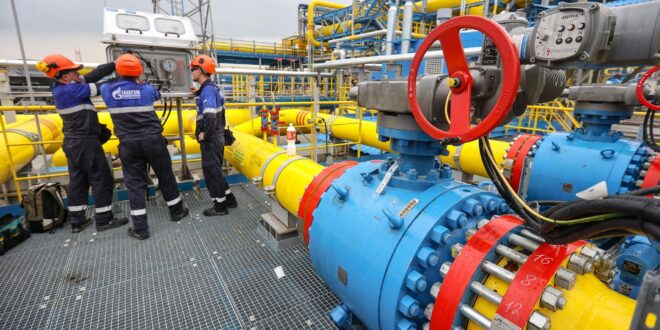
Russia’s pipeline gas exports to Europe collapsed by 44% in 2025, falling to their lowest level since the mid-1970s, according to Reuters calculations. The drop marks the clearest statistical endpoint yet for what was once Moscow’s most lucrative and politically potent energy relationship.
The decline was driven primarily by the closure of the Ukrainian transit route at the start of the year, leaving TurkStream as the only remaining pipeline corridor for Russian gas into Europe. Even that route now serves a shrinking group of buyers, mainly in southeastern Europe, as the European Union presses ahead with its plan to eliminate Russian fossil fuel imports entirely by 2027.
The numbers can only mean one thing: simple structural loss for Russia. Not a cyclical dip. Before the invasion of Ukraine, Europe was the anchor market for Russian pipeline gas, generating tens of billions of dollars annually, which gave the Kremlin considerable leverage—leverage that has now mostly vanished. The EU’s phased bans on pipeline gas and LNG and tighter monitoring to prevent circumvention have turned what was once a gradual decline into a cliff edge.
There were brief moments earlier this year that suggested there was at least some level of stabilization. Pipeline flows via TurkStream actually rose in May, and year-to-date deliveries at that point were even slightly ahead of 2024 levels. But those increases proved temporary. With Ukrainian transit shut and no alternative westbound routes available, total volumes still plunged over the full year.
Russia has responded by accelerating its eastward pivot. Pipeline deliveries to China are expected to jump by about 25% this year, with Gazprom shipping close to 39 billion cubic meters via the Power of Siberia line, above its nominal capacity. LNG exports to China have also surged, reaching record monthly levels in November. But Asia is not Europe. Pricing is tougher, infrastructure is expensive, and projects like Power of Siberia 2 remain years away and commercially unresolved.
The collapse in Russian pipeline gas flows confirms that the energy divorce between Europe and Russia is real and largely irreversible. Imports that once accounted for nearly half of EU gas supply now make up a small and shrinking share. The transition has been costly and politically fraught, but the strategic direction is now locked in.