 Iran Energy News Oil, Gas, Petrochemical and Energy Field Specialized Channel
Related Articles


Here is the question: what happens when renewables are acknowledged as the superior technology for electric power generation? Basically, we see a process of displacement (one commodity producer, renewables, displacing another, fossil fuels), and that leads us to the issue of minimum viable scale in connection with this postulated energy transition.
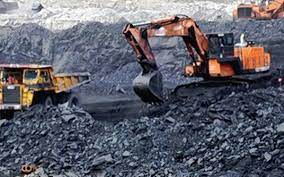
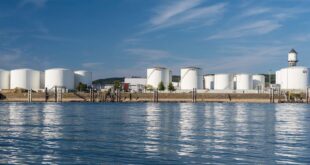
Basically, minimum viable scale means the minimum throughput needed to keep the system running and economically viable. Imagine a toll road that charges fees to all vehicles to pay for maintenance and upkeep. If traffic on the road declines significantly, revenues are impaired, maintenance funds are lacking, dysfunction sets in, and eventual collapse or abandonment is likely. Notice, this is very similar to an older concept called the “death spiral” where a continuously shrinking number of utility customers are responsible for ever-increasing expenses. As lower-cost renewables continue to displace fossil fuels in power generation, a similar dynamic could affect the fossil fuel industry infrastructure. In fact, in the US, we have two distinct fossil fuel infrastructures: railcars plus mines for coal, and drilling rigs plus pipelines for gas. The concern raised by minimum viable scale is that if fossil fuel output drops low enough (as renewables penetration increases) and as the run times of coal and gas-fired generators are reduced, then the industry may not generate enough revenues to adequately support two competing fossil fuel infrastructures in a market experiencing permanent decline.
Coal plant operators in China are already adjusting to the “new reality” of cheap renewables. They are presently retrofitting their fleet so that these plants, originally built to operate as base load units, can more efficiently cycle i.e, run more intermittently. because their output is being increasingly displaced by cheaper renewables. These formerly base-load fossil-fired power plants have to run more intermittently in order to survive economically. That’s the issue we may soon face here, but with an interesting twist. China has far less domestic gas reserves than the US, so shaping its coal plant output around renewables makes perfect sense. But the US has two fossil fuels for electric power generation that want that job. Our view? Like the shogun in the movie said, “Let them fight.”
This is where the issue of minimum viable scale becomes a problem for domestic energy producers. Renewables are cannibalizing energy production, and as in our toll road example, there may no longer be adequate revenues to support two parallel fossil fuel infrastructures for electricity production. Coal-fired power generation requires extensive mining operations and rail connections, while gas-fired plants require drilling, processing, and pipelines. In a weakening pricing environment with shrinking demand, we won’t need both, at least not for electricity production.
Our conclusion, which frankly surprised us, is that coal-fired power generation may experience a minor resurgence. A mine-mouth coal-fired power plant, where the power plant literally sits adjacent to a working coal mine, requires a lot less infrastructure for its fuel than a comparable gas-fired facility. And let’s also remember what’s happening in the power generation business itself. Renewables, in places like Australia, are, for increasing periods of time, totally eliminating fossil fuel usage for electricity while dramatically reducing consumer prices. This is what shrinks revenues for fossil fuels and their infrastructure: longer and longer periods where the assets sit idle. We will continue to need fossil-fired power-generating facilities, especially in winter, when days are shorter, and wind power is often light, but we will need far fewer of them. We anticipate vicious competition for pieces of a rapidly shrinking pie.
There are two other compelling reasons for coal’s potential dominance as a boiler fuel in electricity production as the technology itself enters its twilight years. First is storage. You can put several months of coal inventory right next to the power plant. So there are no delivery or price volatility concerns. Second, gas well head freeze-offs are a big problem in winter and consistently pose serious reliability issues. Every recent severe cold wave has exposed weaknesses in this area. As our reliance on fossil fuels for power generation becomes greatest during winter, the relatively poor performance of the gas delivery system may become more of an issue. On the other hand, gas has been preferred as a boiler fuel in many recent power plant new builds because it’s both cleaner and cheaper. However, as our readers know, the US is actively abandoning clean air emissions standards for power plants. We would not be surprised if the present administration relabeled pollutants like sulfur dioxide and nitrous oxides, principal contaminants from coal combustion, as “freedom molecules.” From a competitive perspective, however, this removes one of the principal supports for gas. Coal becomes “clean” too. Now the gas industry’s main claim is that it’s still cheaper than coal. But with rising gas prices and increasing volatility as US LNG exports increase, even that claim is at risk.
We previously wrote about the technological transition from telegraph to telephone (“What the Fall of the Telegraph Says About Fossil Fuels”, 11 Feb. 2026). Natural gas, at least in the power industry, has been viewed as the successor to coal or as a so-called “bridge fuel.” If renewables become dominant, as we believe, we won’t need and likely won’t continue to pay for all of the extensive infrastructure to support both gas and coal-fired power generation. That’s where the problem of minimum viable scale comes in. Coal-fired power plants have superior operating performance vs gas in winter, and their fuel price is less volatile. As coal and gas compete for a shrinking piece of the power generation pie, we wouldn’t count coal out just yet.
The key takeaways are that longer-term fossil fuels will not be needed very much for base load power generation (see China) and that extensive associated infrastructure could be rendered economically irrelevant as a result, although still needed to supplement renewable energy. In other words, we might face, thanks to haphazard energy policy, a potential disorderly collapse of energy infrastructure due to inadequate revenues.