 Iran Energy News Oil, Gas, Petrochemical and Energy Field Specialized Channel
Related Articles
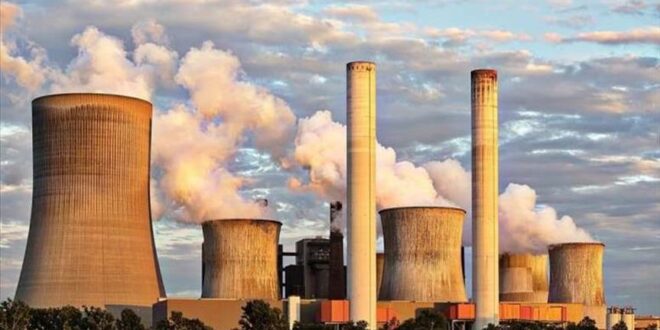
In recent years, a growing number of fossil fuel lobbyists have attended the annual United Nations COP climate summits. Previously, host country leaders and event organisers have justified the attendance of these lobbyists by saying that they play an integral role in supporting the green transition, and that their cooperation is needed to meet climate goals. However, with studies showing that not enough change is being made by fossil fuel companies to support the global green transition, many are questioning their right to attend the climate summits.
In 2024, at least 1,773 coal, oil, and gas lobbyists were given access to the UN climate talks in Baku, Azerbaijan. This raised concerns about the influence of the fossil fuel industry on negotiations. The situation was made worse when Elnur Soltanov, Azerbaijan’s deputy energy minister and the chief executive of COP29, was caught on camera agreeing to facilitate oil deals at the negotiations.
In 2023, a record 2,456 fossil fuel lobbyists attended COP28 in Dubai, making up around 3 percent of the 85,000 total attendees. Many fossil fuel lobbyists attended COP29 as part of trade associations, mainly from the global north, while others came with national delegations that brought energy company representatives from their respective states.
The annual COP summits aim to collectively address the climate crisis by making decisions on international climate policy and cooperation, assessing progress under the United Nations Framework Convention on Climate Change (UNFCCC), and negotiating actions to limit global warming.
However, a minimum of 5,368 fossil fuel lobbyists attended the UN climate talks between 2021 and 2024, representing 859 different fossil fuel organisations, including 180 oil and gas corporations. Just 90 of these oil and gas corporations produced 33,699 million bpd of oil and gas in 2024 alone, according to analysis of data from GOGEL 2025. This represents nearly 60 percent of global oil and gas production for the year, according to the analysis by Kick Big Polluters Out (KBPO). The same 90 firms also account for 63 percent of all short-term upstream fossil fuel exploration and production expansion projects, according to the Global Oil and Gas Exit List.
“Over the last three years, oil and gas companies that lobbied at COP have spent more than $35 billion each year looking for new oil and gas fields, exacerbating the problem the nations of the world had gathered to solve,” said KBPO partner Fiona Hauke of Urgewald. “These companies have defended their fossil interests by watering down climate action for years. As we head towards COP30, we demand transparency and accountability: Keep polluters out of climate talks and make them pay for a just energy transition.”
The findings have intensified calls for fossil fuel companies and other big polluters to be banned from the UN climate negotiations to encourage attendees to strengthen efforts to tackle climate change.
“This information clearly exposes corporate capture of the global climate process … the space that should be about science and the people has been transformed into a large carbon business hall,” said Adilson Vieira, a spokesperson for the Amazonian Work Group. “While forest communities fight for survival, the same companies that cause climate collapse buy credentials and political influence to continue expanding their fossil empires.”
Between 2021 and 2024, 37 lobbyists from Shell attended the climate summits, BP sent 36, ExxonMobil 32, and Chevron 20. Meanwhile, in the past five years, the four oil majors have made over $420 billion in combined profits.
Many of the countries most affected by climate change are already frustrated by the lack of meaningful action by the world’s wealthiest, most polluting countries to tackle the issue and accelerate a green transition. This is further compounded by the widespread access of fossil fuel lobbyists to negotiations.
However, some progress has been seen, and greater transparency is expected at this year’s conference. COP delegates this year are required to publicly disclose who is funding their participation, as well as confirm that their objectives align with the UNFCCC. However, the new requirement excludes anyone in official government delegations.
In a statement, a spokesperson for the UNFCCC agency stated, “The secretariat has taken concrete steps forward in 2023 and again this year to enhance the transparency of COP participants. Just as no single COP can be expected to solve the climate crisis overnight, further improvements is an ongoing journey which we will keep supporting, noting that national governments have sole authority to decide who is in their delegations.”
With COP30 underway in Belém, a city in the Brazilian Amazon, there is also significant controversy over the widespread environmental destruction required to hold the climate summit in such a location. Now, all eyes will be on the Brazilian delegation to uphold new transparency standards and ensure negotiations promote just climate action.