 Iran Energy News Oil, Gas, Petrochemical and Energy Field Specialized Channel

Related Articles
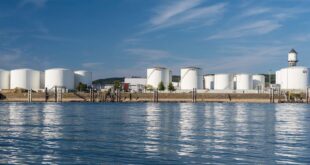


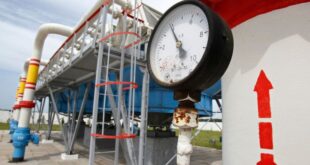
Hungary and Slovakia have formally requested that Croatia authorize the transit of Russian crude oil via the Adriatic pipeline, following the complete suspension of oil flows through the Ukrainian section of the Druzhba pipeline, which has been out of service since January 27. The two countries seek to use the Adria pipeline (operated by the Croatian state-owned company Janaf), which connects the Croatian port of Omišalj to refineries in Hungary and Slovakia.
According to Hungarian Foreign Minister Péter Szijjártó, their EU sanctions exemption allows for maritime imports of Russian oil if pipeline deliveries are disrupted. Croatian appears willing to lend a helping hand, with Economy Minister Ante Šušnjar stressing that “no one should be left without fuel,” provided the assistance complies with EU law and U.S. sanctions. Ukraine officials claim the shutdown was caused by Russian strikes on pipeline infrastructure just over two weeks ago.
The attack occurred near the city of Brody, where the Druzhba pipeline connects with other infrastructure, with local officials reporting pollution from burning oil products. The incident follows a series of strikes on Ukrainian energy infrastructure by Russia, as well as previous Ukrainian drone strikes on the Russian section of the same pipeline.
While Ukraine cites physical damage from Russian strikes, Hungarian and Slovakian officials say there are no technical reasons to stop oil flows, labeling the stoppage “political blackmail” and suggesting Ukraine is intentionally blocking the supply as a political maneuver following a stand-off regarding Hungary’s stance on Ukraine’s EU membership. The two have been vocal in their opposition to Ukraine joining the European Union, with Hungarian Prime Minister Viktor Orbán explicitly pledging to block the process, citing risks of bringing war into the bloc.
The situation coincides with broader diplomatic activity in the region. U.S. Secretary of State Marco Rubio met with Hungarian Prime Minister Viktor Orbán in Budapest on Monday wherein Rubio explicitly backed Orbán’s bid for a fifth consecutive term in the upcoming April 12 elections, noting that President Donald Trump is “deeply committed” to Orbán’s success. The two leaders oversaw the signing of a major U.S.-Hungary civil nuclear cooperation deal, which includes the potential purchase of American small modular reactors (SMRs) and nuclear fuel technology.