 Iran Energy News Oil, Gas, Petrochemical and Energy Field Specialized Channel
Related Articles


Syrian Energy Minister Mohammed al-Bashir announced that he will soon travel to Baghdad, the capital of Iraq, to discuss reviving a significant project with the Iraqi government.
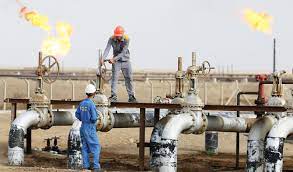
In a televised interview, al-Bashir said that he will soon visit Iraq to discuss the rehabilitation of the oil pipeline linking the northern Iraqi province of Kirkuk to the Syrian port of Baniyas.
If revived, this pipeline would enable Iraqi oil to flow directly to Syria, thus avoiding the significant expenses associated with importing oil via maritime routes.
In April, Baghdad dispatched a senior official delegation to Damascus to explore the feasibility of repairing and operating the oil pipeline between the two countries.
Under the supervision of Prime Minister Mohammed Shia Al-Sudani, the visit was part of Baghdad’s endeavors to bolster its regional ties and revive one of its ancient export pathways to achieve its economic goals.
The two sides discussed the resumption of oil flows through the Kirkuk-Baniyas oil pipeline, which connects Iraq to the Mediterranean coast through Syria.
Built in 1952, the 800-kilometer pipeline has a daily pumping capacity of up to 300,000 barrels. Due to regional political and security challenges, its operations have been regularly stopped throughout the years.
Reviving the oil pipeline has reportedly become one of the country’s strategic priorities, particularly after Iraq’s exports through the Turkish port of Ceyhan were suspended for two years. According to reports, Baghdad urgently needs safer and more sustainable alternatives.
While the Kirkuk-Baniyas pipeline gives Baghdad an important outlet on the Mediterranean, there are still many technical and security obstacles to overcome.
These obstacles include the pipeline’s deteriorating infrastructure caused by sabotage during years of Syrian conflict, as well as the enormous expenses for its restoration, which are expected to be above $8 billion.