 Iran Energy News Oil, Gas, Petrochemical and Energy Field Specialized Channel
Related Articles


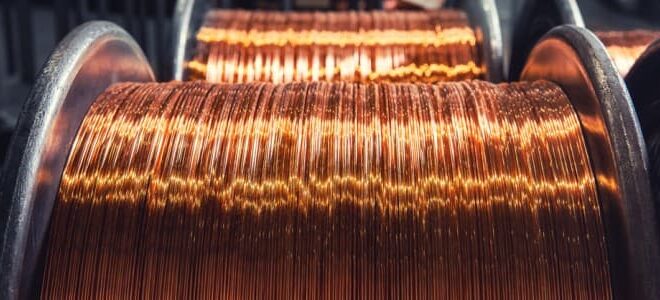
Copper has become an essential building block in modern construction and energy. In the coming years, the global demand for copper is expected to increase significantly as it is used more widely for renewable energy projects and transmission. The Australian mining major BHP expects the demand for copper to grow by around 70 percent, to 50 million tonnes, by 2050, as it is used more widely for a range of applications. The adoption of electric vehicles (EVs), renewables, and data centres around the world is expected to drive copper demand beyond traditional applications. Copper demand is expected to grow at a CAGR of 2.6 percent between now and 2035.
BHP expects the green transition to represent 23 percent of copper demand by 2050, compared to the current 7 percent. Meanwhile, the digital sector, including data centres, 5G and AI, is expected to contribute 6 percent of demand, compared to 1 percent today. The share of transportation in copper demand could grow from 11 percent in 2021 to 20 percent by 2030, largely due to the rollout of EVs.
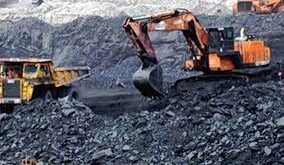
Meeting the growing demand will be no easy feat, as companies worldwide invest in rapidly expanding their mining operations to provide the much-needed supply of the metal. Many existing copper mines are ageing, making the need to expand mining activities more critical than ever. BHP suggests that the average copper mine grade has decreased by around 40 percent since 1991. It foresees between a third and half of the global copper supply facing grade decline and ageing challenges over the next decade. The mining major predicts that an investment of around $250 billion will be needed to address the gap between supply and demand.
BloombergNEF’s annual Transition Metals Outlook suggested that the mining industry will require around $2.1 trillion by 2050 to meet the increasing demand for green transition materials. The 2024 report suggests that there may be supply deficits of certain critical minerals, such as aluminium, copper, and lithium, within this decade.
China is currently the world’s biggest consumer and producer of copper. Its copper output is expected to hit another record this year, despite strains on the production side. China’s refined copper output is expected to increase by around 4.9 percent, to 12.4 million or 12.45 million tons in 2025, according to a survey of smelters conducted by Mysteel Global. Despite a decrease in construction, China’s copper consumption remains high due to an increase in the country’s renewable energy capacity.
The International Energy Agency (IEA) expects the demand for copper to overtake the supply, as many countries accelerate the shift to green. Copper supplies could fall 30 percent short of the quantity required by 2035 if significantly greater investment is not made in new mining operations. The IEA’s executive director Fatih Birol stated, “This will be a major challenge. It’s time to sound the alarm.” Birol emphasised the need to refine more copper and other critical metals to support the global green transition. He also stressed the need for diversification beyond traditional refining regions of the world, as well as strengthening collaboration between high-income countries and developing states to boost trade.
It can take as long as 17 years from the discovery of new copper deposits to the production of the metal. This means that a project pipeline broad enough to meet the demand expected in 20 years must be established now. “We have analysed all the copper mining, in Latin America, Africa, Australia – all the pipelines,” explained Birol. “[Rising costs would] make the cost of the green transition significantly higher and may lead to delay.” However, Birol highlighted the potential for governments to meet the growing demand if they act now. He also suggested that copper recycling should be carried out more widely, as well as substituting the metal for more readily available alternatives where possible.
Some major new projects are already in the works. For example, in May, Miner Vicuna Corp, controlled by Australia’s BHP and Canada’s Lundin Mining, announced two copper projects in Argentina, which it expects to start production by 2030. Although Argentina has not produced any copper since 2018, it has an extensive project pipeline for the coming decade, which could position it among the top 10 global copper producers. The deposits at Vicuna’s Josemaria and Filo del Sol mines contain approximately 13 million tonnes of measured copper and 25 million tonnes of inferred copper.
The global demand for copper is expected to rise rapidly over the coming decades, in line with a global green transition, and a huge amount of funding will be required to ramp up mining operations worldwide to meet this demand. Several major new projects are already in the works, but it will likely require greater collaboration between high-income countries and developing states to ensure that the anticipated demand gap is met.